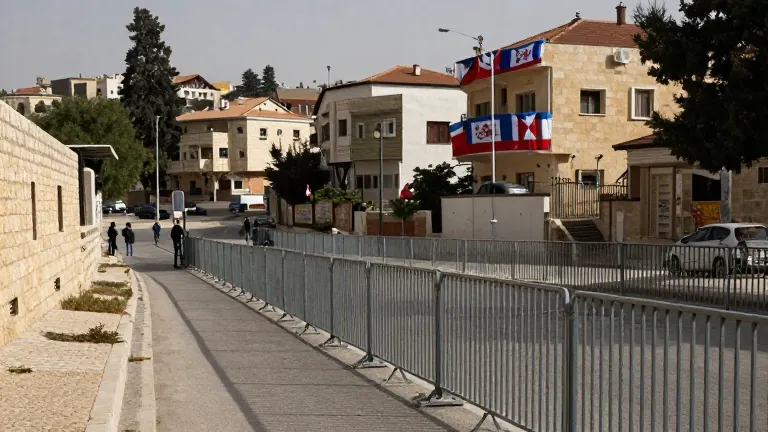
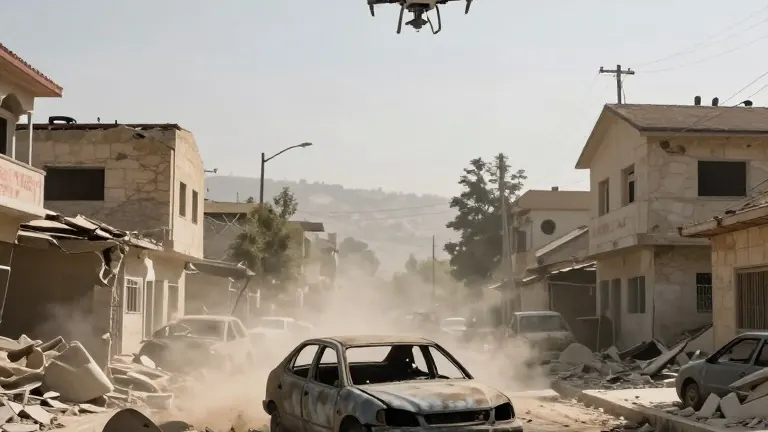
7 Million Israelis Vote Tuesday to Decide Netanyahu's Future After Three Years of War
Voters weigh in on the prime minister's leadership and the country's direction as polls open amid ongoing regional tensions.
By Karim Zielinski ·
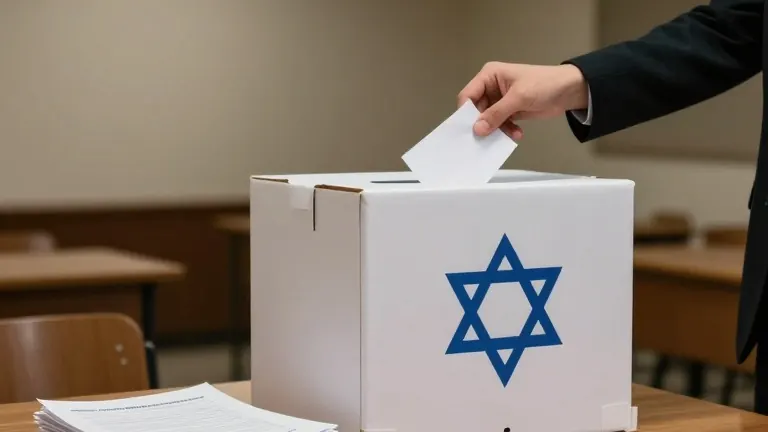
More than 7 million eligible voters cast ballots in Israel on Tuesday.
The election determines the country's leadership after three years of conflict that began with the Hamas attack on October 7, 2023. Prime Minister Benjamin Netanyahu faces a tight race against former military chief Gadi Eisenkot. Opinion polls indicate no clear winner. In Israel's parliamentary system, no single party has ever secured an outright majority. Leaders must build coalitions to govern.
Negotiations could stretch for weeks if neither Netanyahu's religious and ultranationalist bloc nor the opposition group gains enough seats. Arab-led parties, which are urging high turnout, may become decisive if they align with one side. Tensions with Iran hang over the vote. Netanyahu warned Tehran of a devastating blow if it attacks Israel. He appeared in a video this week standing next to a missile-defense battery to make the threat.
Emotions ran high as polls opened. In Kiryat Shmona, a border town near Lebanon and a Netanyahu stronghold, a man kicked and tore down a poster of Eisenkot. In Tel Aviv, families of victims and former hostages held a moment of silence. Yona Adam, whose daughter Mapal Adam was killed on October 7, said, "Remember all those whose voices are no more."
Approximately 330,000 young Israelis are voting for the first time. Many face compulsory military service during active conflict. Tens of thousands of overseas Israelis reportedly flew home to participate. The vote serves as a referendum on Netanyahu's long tenure and the country's identity. Supporters view him as a steady hand who has guided Israel through multiple wars and protected its Jewish identity. They say he keeps the judiciary in check.
Detractors call Netanyahu a polarizing figure who prolonged the Gaza war and hostage crisis for political gain. They accuse him of undermining democratic institutions and allowing ultra-Orthodox religious Jews to avoid conscription. Eisenkot's supporters cite his security credentials and personal loss. His son and two nephews were killed in Gaza. His likely governing partners have pledged to improve Israel's international standing and conscript ultra-Orthodox men. They also promise to bolster the independence of the judiciary.
Source: ClickOnDetroit WDIV