Former AG Mandelblit Testifies on Scope of Police Authority in Netanyahu Trial
Testimony addresses whether investigators required fresh approval for specific steps in the gifts and media cases.
By Karim Zielinski ·
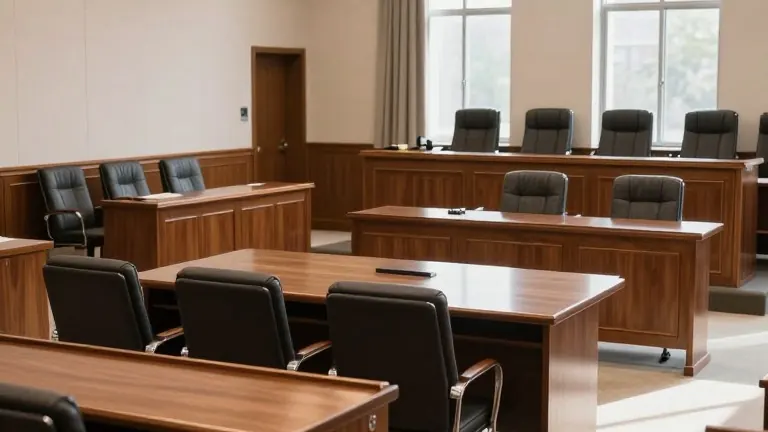
Avichai Mandelblit, the former attorney-general, appeared at the Jerusalem District Court on Monday to provide testimony in the trial of Prime Minister Benjamin Netanyahu. His role as a witness for the defense centers on the extent of the authority he granted to investigators during the initial probe and the subsequent indictment process.
Defense attorney Amit Hadad focused his questioning on the specific limits of Mandelblit's permissions. He sought to determine which investigative actions were covered by existing approvals and which steps required new consent. Hadad specifically raised concerns regarding the questioning of Hadas Klein, an assistant to businessman Arnon Milchan, and Yonatan Hasson, the driver for James Packer.
Mandelblit asserted that the questioning of these individuals fell within the broader scope of his original authorization. He explained that his permission covered the examination of suspicions that Netanyahu received substantial benefits from businessmen. Consequently, investigators did not need to return to him for approval of each individual step taken within that subject matter.
The hearing addressed the preliminary investigation that evolved into Case 1000, which alleges that Netanyahu received costly gifts from Milchan and Packer. Mandelblit previously testified on Sunday regarding a separate issue, where he stated that police should have sought his approval before wiretapping Natan Eshel, a close confidant of the prime minister, despite holding a court warrant.
Judge Moshe Bar-Am inquired about the practical distinction between actions covered by the standing authorization and those requiring further consultation. Mandelblit responded that the subject matter defined the boundaries, while significant developments in the investigation would necessitate additional discussion.
The trial, which commenced in May 2020, involves three distinct cases regarding alleged gifts and dealings with media owners. Netanyahu faces charges of fraud and breach of trust in all three instances. Case 4000 additionally includes a bribery charge related to alleged regulatory benefits for Bezeq. Netanyahu maintains that he committed no wrongdoing.
Source: The Jerusalem Post