New NASA estimate suggests 22 rocket launches needed for Moon landing
A former astronaut on a safety panel revealed that the Artemis program may require two dozen Starship flights to fuel a lunar lander, a number higher than previous guesses.
By Daniela Vargas ·
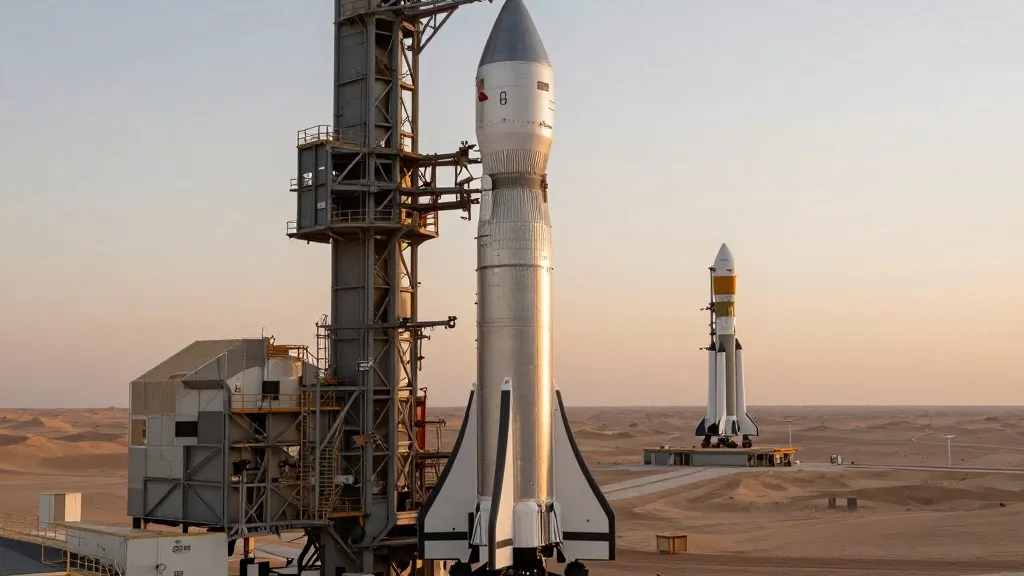
For residents in the Great Lakes and Ohio Valley who follow the Artemis program, a new figure has emerged that could shape the timeline for returning humans to the Moon. A member of NASA’s safety advisory panel stated that 22 launches of SpaceX’s Starship rocket may be required to assemble a fueling depot in low-Earth orbit. This specific count is necessary to provide enough propellant for a lunar lander to travel to the Moon, land, and return to lunar orbit. The revelation marks a significant shift from the agency’s previous reluctance to share concrete numbers.
The number of required launches has been a closely guarded metric within the program. NASA officials have historically treated this figure with caution, often comparing the secrecy to protecting nuclear codes. For years, the agency’s standard response to questions about the launch count was that they did not know for sure and therefore would not speculate. This approach made it difficult for the public and industry partners to gauge the scale of the logistical challenge involved in the mission.
In 2023, Lisa Watson-Morgan, who served as the director of NASA’s Human Landing System, acknowledged the uncertainty to reporters. She explained that while the agency had a general understanding of the requirements, she was hesitant to provide an exact number. Later in her tenure, she offered a broader range, suggesting the number fell between high single digits and low double digits. This estimate implied that roughly a dozen launches would be needed to fully load the lander with liquid oxygen and methane.
The logistics behind this number are complex. SpaceX would need to launch one Starship to serve as a stationary depot in orbit. Subsequent flights, referred to as tankers, would then dock with the depot to transfer fuel. Under the earlier estimate of about a dozen total launches, this would mean one depot launch followed by approximately eleven tanker flights. Other NASA officials had previously cited figures in the high teens, reflecting the evolving nature of the calculations as the program progressed.
There has always been a strategic hope that SpaceX would significantly increase the lift capacity of the Starship vehicle. An improvement in payload efficiency would reduce the number of tanker flights required to reach the necessary fuel levels. However, some NASA officials are now concerned that these dramatic improvements may not arrive soon enough. This timing issue raises questions about whether Starship can play a meaningful role in landing astronauts on the Moon within this decade.
The new estimate of 22 launches was shared on Thursday during the quarterly meeting of the NASA Aerospace Safety Advisory Panel. The panel serves as an independent body that advises the agency on safety matters. During the session, panel member Charlie Precourt, a former NASA astronaut, discussed various risks associated with the Artemis program. His remarks highlighted the specific logistical hurdles related to lunar lander fueling.
The shift to a higher number underscores the magnitude of the orbital assembly process. Each additional launch introduces more variables into the safety and operational planning. For ordinary observers, this means the mission will rely on a higher frequency of heavy-lift launches from Earth. The consistency of the launch cadence will be critical to ensuring that the depot is fully fueled before the crewed lander arrives.
This development adds another layer of complexity to the Artemis timeline. As the agency moves forward, it must balance the technical capabilities of the spacecraft with the operational realities of launch frequency. The 22-launch estimate provides a clearer benchmark for assessing the program’s readiness. It also sets a baseline for future discussions on whether the current schedule remains feasible or if adjustments are needed to accommodate the logistical demands of the mission.
The transparency from the safety panel marks a departure from the previous culture of ambiguity surrounding this metric. By providing a specific number, the panel helps clarify the scope of the infrastructure required in orbit. This clarity is essential for stakeholders to understand the resources needed to support a crewed lunar mission. The figure will likely serve as a reference point for future planning and risk assessments within the agency.
Source: Ars Technica