Tesla and SpaceX Target 2028 for Mass Chip Production in Texas
Elon Musk stated that key equipment vendors are speeding up deliveries to support an aggressive schedule for the new Gibbons Creek manufacturing plant.
By Ama Boateng ·
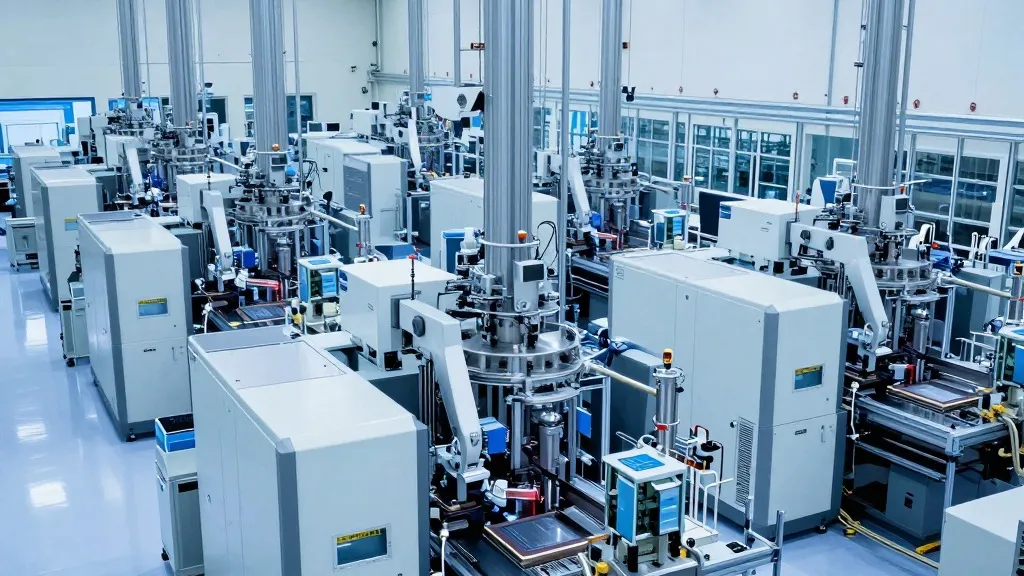
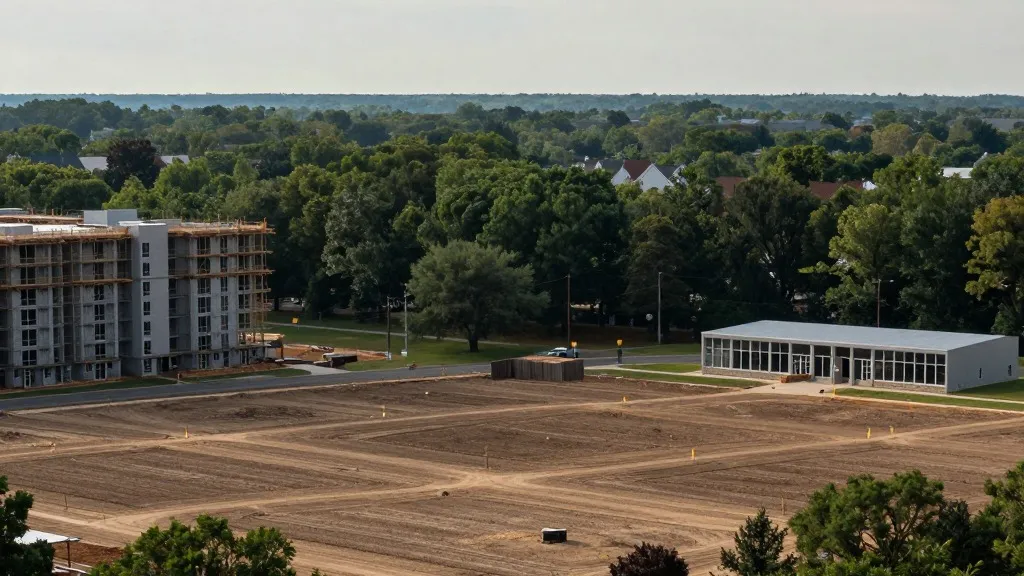
Elon Musk, the chief executive of both Tesla and SpaceX, announced that major semiconductor equipment providers, including ASML, have accelerated the delivery of critical machinery for the Terafab manufacturing facility. This development supports the companies’ ambitious schedule for the joint venture, which is located in Gibbons Creek, Texas. The announcement was made during a live broadcast of SpaceX’s third-quarter 2026 earnings call on the social platform X on October 20. Musk indicated that the goal is to achieve volume chip production at the primary site by either the third or fourth quarter of 2028, while cautioning that this schedule is highly aspirational and involves significant uncertainty.
The CEO expressed gratitude to ASML and other suppliers for their efforts to speed up equipment deliveries to meet these targets. He described the dates as very aggressive but emphasized the company's appreciation for the partners' cooperation. In addition to the main facility in Gibbons Creek, SpaceX intends to produce its first experimental test chip at a research fabrication site in Austin, Texas, with a target date around the second quarter of 2027. This initial step is part of the broader effort to establish the manufacturing capabilities for the Terafab project.
During the same broadcast, Musk outlined the near-term computational goals for his artificial intelligence ventures. He projected that these companies will have between 2.5 and 3 gigawatts of computing capacity operational by the end of 2026. He expressed strong confidence in adding another 10 gigawatts in 2027, stating he would be surprised if the total AI compute capacity did not reach 13 gigawatts by the end of that year. To reach this milestone, SpaceX and xAI are aggressively acquiring next-generation NVIDIA architecture. Specifically, plans are in place to bring a training cluster comprising 440,000 Nvidia "Vera Rubin" GPUs online by the end of the second quarter of 2027.
The Terafab project is a multi-billion-dollar, vertically integrated chip factory designed to manufacture logic, memory, and advanced packaging in a single location. The facility aims to produce one terawatt of AI computing power annually. Once fully operational, Musk suggested that the commercial value of this output could rival the gross domestic product of many nations, specifically noting that it would place the facility within the top 20 global economies, with Switzerland currently ranking 20th at approximately $1.14 trillion. The project seeks to reduce reliance on external foundries like TSMC, supplying chips for xAI clusters, self-driving vehicles, Optimus humanoid robots, and SpaceX’s orbital AI data centers.
The technical foundation of Terafab relies on traditional extreme ultraviolet lithography systems using Intel’s 14A manufacturing node. Intel officially joined the venture in April 2026 to assist in co-developing and refactoring silicon fabrication technology. ASML, the sole commercial supplier of the $400 million EUV lithography systems required for leading-edge production, is a critical partner in this effort. Unofficial reports suggest that the first EUV tool was scheduled for delivery in mid-2027, though it remains unclear if this aligns with the expedited timeline mentioned by Musk.
Beyond ASML, the project involves a wide network of suppliers. American firms Applied Materials, Lam Research, and KLA Corporation, along with Japan’s Tokyo Electron, will provide front-end processing, metrology, and process control machinery. Tesla and SpaceX are also in discussions with approximately 10 South Korean equipment manufacturers. These include Hanmi Semiconductor, known for advanced packaging, and HPSP, a manufacturer of high-pressure hydrogen annealing equipment, as well as firms supplying specialized piping and valves.
Industry experts have raised questions regarding the feasibility of the one terawatt output goal. Research firm Gartner estimates that total global AI-optimized data center capacity is roughly 44 gigawatts as of late 2026, which is only 4.4% of Terafab’s planned output. According to EpochAI, global AI computing capacity has grown between 3.3 and 3.4 times per year since 2022. Despite the supply chain constraints, the project aims to mitigate future shortfalls in cutting-edge AI processors for the broader industry.
The expedited shipments come at a time when capacity across the semiconductor supply chain remains tight. The success of the Terafab project hinges on the continued cooperation of these various international partners. As the timeline moves forward, the focus will shift to the installation of the equipment and the initial testing phases in Austin and Gibbons Creek, with volume production remaining the ultimate objective for the end of the decade.
Source: Tom's Hardware