Tesla Establishes 'Optimus Academy' to Accelerate Humanoid Robot Training
Lacking a massive fleet for data collection, Tesla is deploying tens of thousands of robots to a dedicated facility where they practice tasks to improve their AI capabilities.
By Rebecca Dawson ·
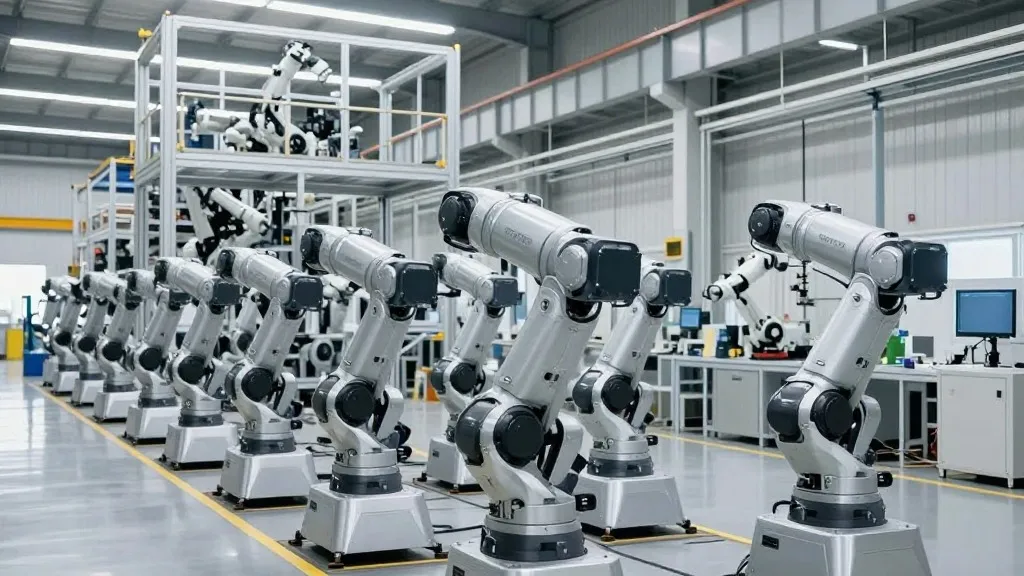
The transition of Tesla’s Fremont facility from car manufacturing to robotics production has reached a critical milestone, marking the first time the company claims its humanoid units meet commercial product standards. This shift signals a major pivot in how the automaker approaches its next generation of hardware, moving beyond the experimental phase into structured, high-volume creation.
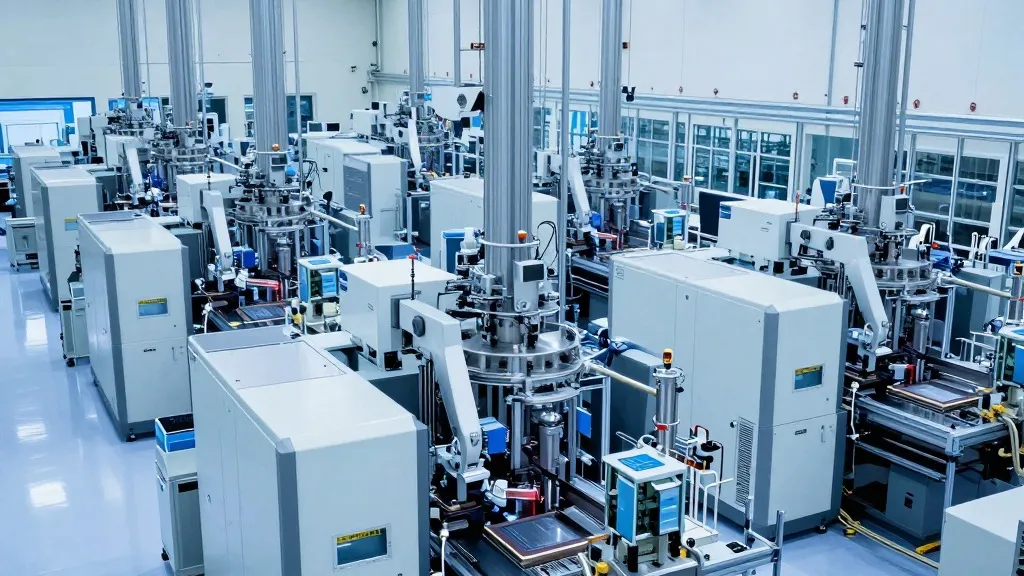
The first point of interest is the operational status of the new production line. Tesla has confirmed that the robots currently exiting the Fremont assembly line are the first to be considered production-quality. The company stated in its recent shareholder letter that this achievement proves the current manufacturing process is viable for a commercial product. This line occupies the space previously used for Model S and Model X vehicles, which Tesla cleared in just 46 days this spring. Elon Musk noted on the earnings call that the necessary equipment for a capacity of one million units per year is largely in place, with weekly output expected to climb toward 20,000 robots as the line ramps up.
The second key development involves the company’s strategy for training the robots' artificial intelligence. Unlike Tesla’s vehicles, which benefit from data gathered by millions of cars on the road, Optimus lacks a comparable fleet for learning. To solve this, Tesla is implementing an 'Optimus Academy' where 10,000 to 20,000 robots will practice a wide variety of tasks. These units will feed their acquired data back into the AI model, ensuring that every robot produced in Fremont contributes to the training of the next version. Musk described this growth trajectory as an S-curve, noting that the initial phase is a shallow slope while the team refines AI, electromechanical design, and reliability.
The third significant element is the upcoming technological upgrades and competitive positioning. Tesla plans to integrate its AI5 chip into the Optimus units next year. Musk indicated that a new video demonstrating the robot completing tasks driven by AI, rather than preprogrammed motions, should be released within one or two months. He criticized rival humanoid demonstrations for relying on scripted routines that may not hold up in real-world conditions, positioning Tesla’s approach as more robust for practical application.
Contextually, the supply chain is preparing for this expansion. In September, Tesla certified Tuopu, Joyson, and Sanhua as mass production partners for key components. Additionally, a larger facility at Giga Texas is under construction, with a long-term target of producing ten million robots annually. Executives noted that production costs are trending toward the manufacturing cost of the Cybercab, indicating the robot is engineered for volume from the start. The current engineering focus remains on the hands, which are considered the most difficult part of the design, with external deliveries to companies for repetitive and dangerous jobs planned for the end of next year.
Source: Teslarati