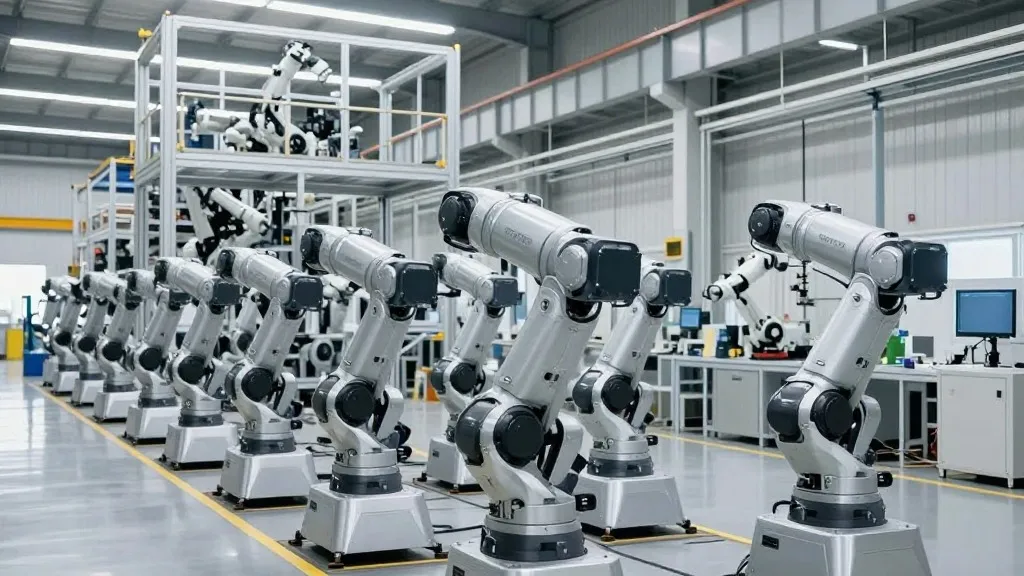
Tesla Delays Optimus Shipments to Late 2027 Amid Hardware Setbacks
The company is pushing back the rollout of its humanoid robot to address unresolved issues with its hands, durability, and artificial intelligence capabilities.
By Christopher Reed ·
Companies hoping to acquire Tesla's Optimus humanoid robot for their facilities will need to wait until late 2027 for delivery, a date that pushes back previous projections. The delay indicates that the technology is not yet ready for external deployment, as the company is currently grappling with significant challenges regarding the robot's hardware and artificial intelligence systems.
During Tesla's Q3 2026 earnings call, Elon Musk outlined the specific hurdles preventing an earlier launch. He identified the robot's hands, its overall durability, and its AI capabilities as the primary areas requiring further development. Musk stated that Tesla expects to resolve these issues around the end of next year, at which point deliveries to outside customers can commence. The initial focus for these units will be industrial applications, specifically tasks that are dangerous, repetitive, or require continuous operation around the clock.
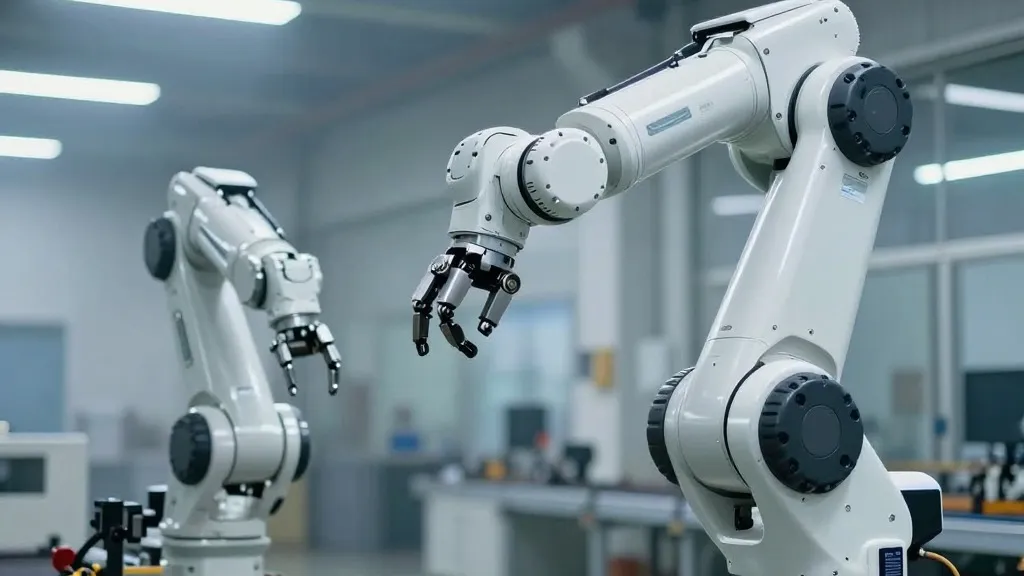
A significant portion of the discussion centered on the mechanical complexity of the robot's hands. When asked about areas where the design is still evolving, a Tesla engineer identified the hand as a difficult hardware area, along with custom gears that present reliability concerns. Musk elaborated on the difficulty of engineering hands that are soft enough to handle delicate objects but durable enough to withstand constant use. He noted that unlike human skin, the robot's fingers cannot heal after suffering wear and tear.
The artificial intelligence component also remains under construction. Tesla does not currently possess a fleet of robots gathering data in the same manner as its autonomous vehicles. To address this, the company plans to manufacture between 10,000 and 20,000 units to participate in a training program called Optimus Academy, where they will practice performing tasks. Additionally, Tesla intends to install its AI5 chip into the Optimus platform around April 2027.
Production for these units is underway at Tesla's Fremont facility, the former home of Model S and Model X manufacturing. Musk noted that while the line is designed to eventually produce a million robots annually, reaching the target rate of 20,000 units per week will take at least a year or longer. The company's shareholder letter refers to the current batch as the first production-quality bots manufactured to date, implying that earlier units did not meet these standards.
The timeline for external deliveries has shifted multiple times. In 2024, Musk indicated that high-volume production for other companies was targeted for 2026. By January 2025, the plan involved building approximately 10,000 robots that year. The current target for late 2027 represents the latest in a series of schedule adjustments.
Musk asserted during the call that, to his knowledge, no other entity is close to Tesla regarding general-purpose humanoid robots. However, the competitive landscape suggests other companies are advancing. XPeng activated an automated production line in Guangzhou in September for its IRON robot, planning mass production by the end of this year and deliveries in the first half of 2027. The company intends to expand to Europe in the second half of 2027.
Boston Dynamics began producing its electric Atlas robot in January and has already committed all of its 2026 deployments, including a project with Google DeepMind. The company opened a robot training center at Hyundai's Metaplant in Georgia in September, where Atlas is learning to sequence car parts. Hyundai plans to deploy 25,000 robots across its plants in the coming years. Boston Dynamics also hired Milan Kovac, Tesla's former head of Optimus, in January.
Tesla is addressing the same fundamental challenges faced by the industry: creating hands that survive real work, ensuring reliability, and enabling AI to handle novel tasks. While Tesla may be constructing a high volume of robots, the ability to make them useful remains the critical hurdle. The company is planning to release a video within a month or two showing Optimus performing tasks that are not pre-programmed.
Musk argued that many humanoid robot demonstrations rely on scripted routines that would fail in a real-world environment. He expects to show Optimus performing tasks that have not been pre-programmed. This video would serve as evidence of the robot's ability to generalize tasks, a capability that remains unproven for the company at this time.
Source: Electrek