Data Center Backlash Forces Michigan to Rethink Tax Incentives
Panelists at a Detroit summit warned that public opposition, now near two-thirds, is complicating the state's rush to approve new computing facilities.
By Beatrice Patterson ·
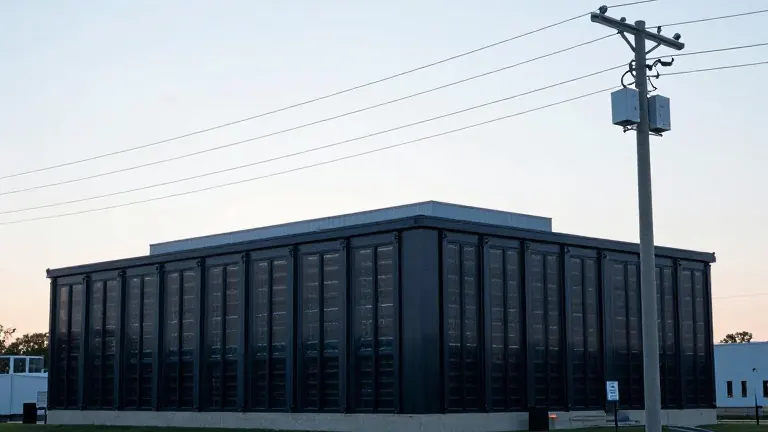
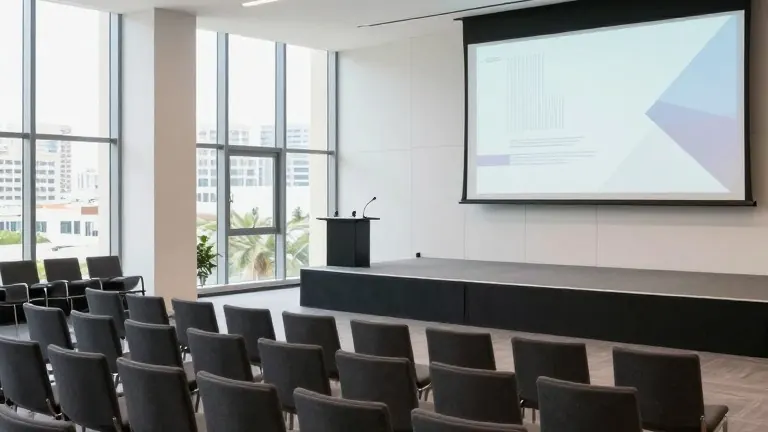
Michigan state legislators face mounting pressure to tighten rules for data centers, a shift driven by strong public resistance to the industry's rapid expansion. Experts speaking at a recent summit in Detroit argued that the state must balance its desire for high-tech investment against the strain these facilities place on local energy and water resources. The event, held at the Marygrove Conservancy, brought together policymakers and researchers to address the growing tension.
The discussion centered on the aftermath of tax exemptions passed two years ago. Michelle Martinez, director of the University of Michigan Tishman Center for Social Justice and the Environment, stated that lawmakers "opened the floodgates" to development without sufficient input from residents. She described the public reaction as feeling "blindsided by the scope, the speed and the lack of channels to have a voice in the decision-making." This sentiment mirrors findings from recent polling, which show that nearly two-thirds of Michigan residents oppose the construction of new data centers in the state.
Brenda Stumbo, a supervisor for Ypsilanti Township, attributed the backlash to a rushed approval process that bypassed local officials. "It was rushed," Stumbo said, adding that rushing decisions typically leads to poor outcomes. She noted that local governments are now left to negotiate complex agreements with some of the world's wealthiest technology companies without prior guidance from the state.
Despite the opposition, proponents argue the economic benefits are substantial. Jeff Guilfoyle, a senior strategist at Public Sector Consultants, cited the Stargate project in Saline Township as a key example. He said the Oracle and OpenAI facility will raise local property tax revenue from a few hundred thousand dollars to more than $10 million annually. The site is also expected to create 450 permanent jobs and support thousands of temporary construction positions.
Erik E. Nordman, director of Michigan State University’s Institute of Public Utilities, addressed the energy concerns. He noted that a single one-gigawatt facility consumes as much power as a large US city. While some areas see lower residential rates due to shared infrastructure costs, others face higher rates because data center demand outstrips existing grid capacity. Nordman called the challenge of absorbing this demand "the million-dollar question."
Nordman also highlighted the difficulty of meeting Michigan's 2040 clean energy mandate while accommodating data center growth. "It will be challenging," he said. "Very, very difficult. Because, when we put these laws in place, we had relatively flat demand growth.. now we have to work twice as hard." Martinez added that data center demand in other states, such as Texas, is already driving new fossil fuel investments that affect air quality across state lines.
Source: Bridge Michigan