Nineteen Attorneys General Sue Dollar General for Register Overcharges
The joint civil action alleges the retailer collected millions in excess fees by charging higher prices than those displayed in stores.
By Lucy James ·
Attorney General Dana Nessel joined eighteen other state prosecutors and the Federal Trade Commission in filing a federal lawsuit against Dollar General on Monday. The complaint asserts that the retailer engaged in deceptive pricing practices for years, resulting in millions of dollars in unlawful overcharges. The case was filed in a federal court in middle Tennessee.
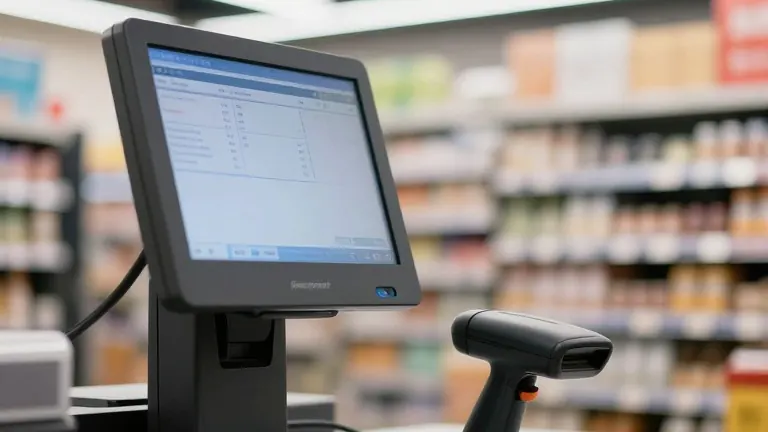
The legal action marks the culmination of a multi-jurisdictional investigation into the company's checkout procedures. State officials claim that thousands of Dollar General locations lacked sufficient safeguards to prevent staff from ringing up items at prices higher than the advertised shelf tags. The complaint states that the company received tens of thousands of consumer complaints nationwide regarding these discrepancies. Prosecutors argue that the volume of complaints demonstrated widespread harm and proved the company was aware of the issue but failed to implement effective solutions.
The suit cites a specific incident from August to illustrate the alleged pattern. A consumer found eggs priced at $3.25 on the shelf, but a clerk charged $4.50 at the register. When the shopper objected, the clerk reportedly refused to adjust the price, stating it was her last day of work and she did not care. The complaint includes this exchange to show the disconnect between displayed prices and final charges.
Nessel stated that consumers deserve respect in any store where they spend their money. She expressed appreciation for the FTC and other states on the investigation, noting the goal is to end deceptive practices and restore truth in pricing. The other participating states include Alabama, Arizona, Arkansas, California, Connecticut, Florida, Illinois, Iowa, Kansas, Louisiana, Mississippi, Nebraska, New Jersey, North Carolina, Ohio, Oklahoma, Tennessee, Utah, and Wisconsin.
The complaint alleges violations of the Michigan Shopping Reform and Modernization Act. The federal court will now review the claims and determine the appropriate remedies for the overcharges. The parties involved have submitted their initial filings to the judge assigned to the case in Tennessee.
Source: FOX 2 Detroit